


 Chinese

How do packaging formats and minimum order quantities for silane coupling agents affect supply chain logistics and formulation stability for overseas buyers? Standard packaging ranges from 25 kg drums to 1000 kg IBCs, with minimum order quantities starting at 200 kg for liquid grades. Selecting the correct container prevents moisture ingress during ocean transit, ensuring the silane remains chemically active upon arrival at your facility.
Table of Contents
- 1. Specification Compliance and Chemical Parameters
- 2. Standard Packaging Formats and Material Compatibility
- 3. Minimum Order Quantities and Pallet Loading
- 4. Moisture Barrier Requirements for Transit
- 5. Hazardous Goods Classification and Transport Limits
- 6. Sampling and Quality Verification Protocols
1. Specification Compliance and Chemical Parameters
Buyers require verifiable parameters to confirm the silane meets their formulation specifications. The chemical identity and recommended usage ranges for our primary grades are standardized. The molecular formula and structural integrity dictate the coupling mechanism. For instance, KH-550 (gamma-aminopropyltriethoxysilane) has the molecular formula C9H23NO3Si. Purity is guaranteed at a minimum of 98.0%. The remaining fraction may contain trace moisture or alcohols, which is why export specifications explicitly list a separate moisture limit to prevent in-drum self-polymerization. Net weight is strictly controlled: 25 kg for HDPE drums and 200 kg for steel drums, with a standard tolerance of ±0.5%. These verifiable parameters ensure the material meets your formulation requirements before bulk processing begins.
| Grade | CAS Number | Chemical Name | Functional Group | Recommended Dosage Range |
|---|---|---|---|---|
| KH-550 / A-1100 | 919-30-2 | gamma-aminopropyltriethoxysilane | amino (basic) | 0.5%-1.5% of filler weight |
| KH-560 / A-187 | 2530-83-8 | gamma-glycidoxypropyltrimethoxysilane | epoxy (neutral) | 0.5%-1.5% of filler weight |
| KH-570 / A-174 | 2530-85-0 | gamma-methacryloxypropyltrimethoxysilane | methacryl | 0.5%-1.5% of filler weight |
For aminosilanes in aqueous systems, the recommended dosage range is 0.3%-1%.
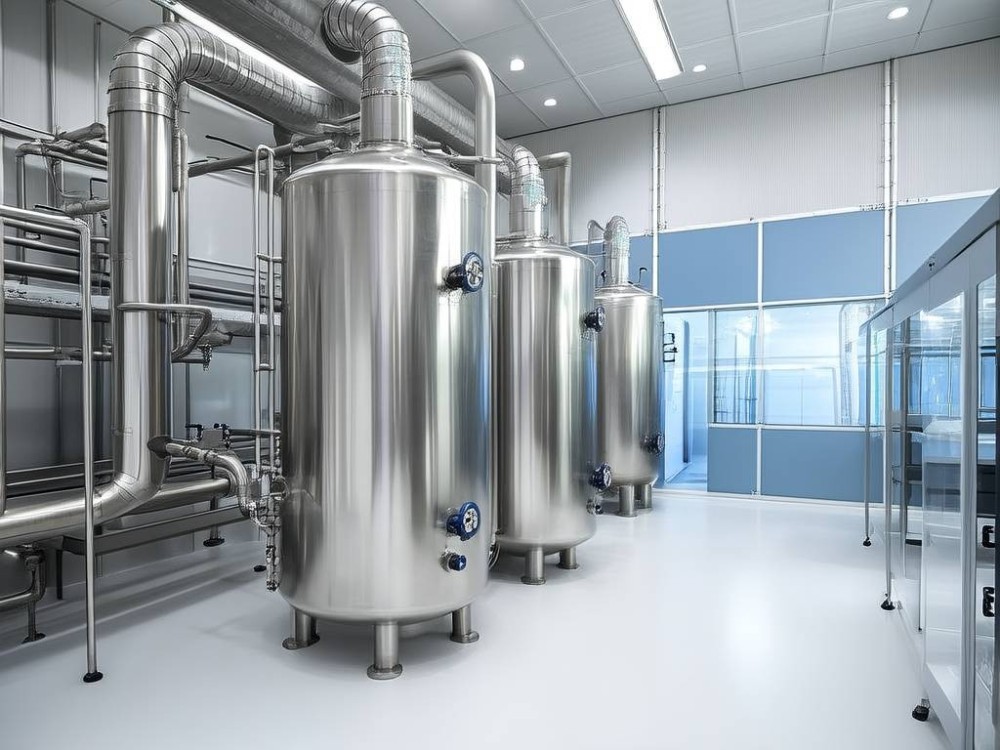
2. Standard Packaging Formats and Material Compatibility
The choice of primary container depends on the chemical reactivity of the silane and the required transit volume. Liquid grades such as KH-550 and KH-560 are filled into high-density polyethylene (HDPE) or carbon steel drums. The container material must resist chemical attack and prevent vapor transmission.
| Packaging Type | Capacity | Compatible Silane Grades | Valid Storage Condition |
|---|---|---|---|
| HDPE Drum | 25 kg | Epoxy and amino silanes | 10-30°C, away from direct sunlight |
| Carbon Steel Drum | 200 kg | Methacryloxy and vinyl silanes | 15-25°C, indoor warehouse |
| IBC Tote | 1000 kg | Non-corrosive liquid silanes | 5-35°C, ventilated area |
3. Minimum Order Quantities and Pallet Loading
Production batching efficiency dictates the minimum order quantity. Liquid grades are pumped and measured easily, allowing smaller batch sizes. For liquid silanes, a minimum order quantity of 200 kg is the standard baseline to justify custom palletizing and moisture-barrier wrapping. Solid grades require a 500 kg minimum to maintain batch homogeneity.
Regarding international trade logistics, standard 25 kg drums are loaded onto EUR or STD pallets. A 20-foot container holds 18 to 20 pallets, accommodating up to 20,000 kg of product when packed in 25 kg drums. For 200 kg drums, a 20-foot container holds 80 drums, totaling 16,000 kg. To prevent transit damage, pallets are stretch-wrapped and secured with corner protectors. Each pallet must display the correct hazardous goods labels and UN numbers.
When negotiating international contracts, standard Incoterms such as FOB (Free On Board) or CIF (Cost, Insurance and Freight) are applied. Under FOB terms, the seller clears the goods for export and loads them on the vessel, while the buyer bears all costs and risks from that point onward. Under CIF terms, the seller covers the cost, insurance, and freight to the destination port. Buyers must specify their preferred Incoterm in the purchase order to avoid logistical ambiguities. Lead times for production and shipment are subject to confirmation at the time of order.
4. Moisture Barrier Requirements for Transit
Silane coupling agents undergo hydrolysis when exposed to atmospheric moisture. Packaging must maintain a strict moisture barrier during the 30 to 60-day ocean transit period. The container seals and liner materials are selected to limit water vapor transmission rates under varying climatic conditions.
| Packaging Format | Maximum Transit Time | Valid Environmental Condition |
|---|---|---|
| 25 kg HDPE Drum | 45 days | 80% RH, 30°C |
| 200 kg Steel Drum | 60 days | 85% RH, 35°C |
| ISO Tank Container | 90 days | 90% RH, 40°C |
5. Hazardous Goods Classification and Transport Limits
Many liquid silanes are classified as flammable liquids or corrosive substances. This classification restricts the maximum quantity allowed per transport unit and influences the practical minimum order quantity. For example, aminopropyltriethoxysilane (KH-550) is classified as UN 2924. Under these transport regulations, a full container load is often more cost-effective than less-than-container load shipments, effectively raising the practical minimum order quantity to 16,000 kg for hazardous liquid grades. Proper declaration and handling according to IMDG codes are mandatory for ocean freight.
6. Sampling and Quality Verification Protocols
Buyers must verify the active silane content upon receiving the shipment. Sampling should occur before the material is transferred to intermediate bulk containers. Gas chromatography is the standard method for determining purity. This analysis is valid only when samples are drawn immediately after drum opening and sealed to prevent post-sampling hydrolysis. A retention sample must be kept for future reference, as specific thresholds for active content must be measured against the certificate of analysis provided with the shipment.
FAQ
How long can an opened drum of aminosilane be stored, and how do I identify if it has degraded?
Refer to the expiration date on the packaging label. If the liquid turns yellow, becomes cloudy, or forms a precipitate, it has typically undergone self-condensation and must not be used further.
Why does adhesion strength drop significantly if I overdose the silane coupling agent?
Excess silane self-polymerizes at the interface, forming a weak boundary layer that reduces adhesion strength. The exact extent depends on the specific system, so the optimal dosage must be confirmed through your own small-scale trial.
Can you supply laboratory samples and a certificate of analysis with the shipment?
We supply 100 g laboratory samples for evaluation. A Certificate of Analysis is provided with every commercial shipment. Please confirm the specific testing items and report format with our sales team prior to ordering.
Is stating 98% purity sufficient in the specification, and why do export orders require a separate moisture limit?
A 98% purity specification is typically insufficient to control moisture, as the remainder may contain water or alcohols. Excess moisture triggers in-drum self-polymerization and reduces active silane content, which is why export orders explicitly list a separate moisture limit.
If the workshop temperature exceeds 30°C in summer, how long can the prepared hydrolysate be stored?
High temperatures accelerate silane condensation, significantly shortening the effective use period of the hydrolysate. The material must be prepared immediately before use and should not be stored.
Further Reading
- Shipping and Storage Requirements for Silane Coupling Agents
- Brief: HS Code and Customs Notes for Silane Coupling Agents
- Market: Silane Coupling Agents in Rubber and Tire Compounds
- Silane Coupling Agents for Filler Surface Treatment
- Silane Coupling Agents in Adhesives and Sealants
- Market Insight: Why Silane Coupling Agents Improve Adhesion
- Tech Note: Silane Coupling Agents in Mineral-Filled Plastics
- Surface Treatment with Silane Coupling Agents: Step by Step
